

Key Takeaways
FDA Approval: A new dog anxiety medication (Tessie) is now approved to treat both separation anxiety and noise aversion
Dual Treatment: This is the first medication designed to address both conditions at the same time
Severe Cases: Best suited for dogs whose anxiety cannot be managed with training alone
Combined Approach: Medication is most effective when paired with behavior modification and training
Noise Aversion: Can be improved with safe spaces, desensitization, and consistent routines
Separation Anxiety: Requires gradual independence training and a structured plan
Professional Help: Certified Separation Anxiety Trainers (CSATs) can greatly improve outcomes
Best Results: Long-term success comes from combining medication, training, and environment
The U.S. Food and Drug Administration (FDA) has officially approved a new medication designed to treat both noise aversion and separation anxiety in dogs—two of the most common and challenging behavioral issues faced by pet owners today.
Until now, treatment options have been limited and focused on individual conditions. For example:
- Sileo (dexmedetomidine) has been used specifically for noise aversion, helping dogs stay calm during fireworks or thunderstorms without heavy sedation
- Clomipramine (Clomicalm) has been prescribed for separation anxiety as part of a broader behavior modification plan
This newly approved medication called Tessie (tasipimidine oral solution) marks a significant advancement because it addresses both conditions simultaneously, recognizing that many dogs experience overlapping anxiety triggers.
Who This Medication Is For
This treatment may be appropriate for dogs that:
- Display fear or panic during loud noises such as thunderstorms, fireworks, or construction
- Show separation-related behaviors like excessive barking, destruction, pacing, or attempts to escape when left alone
- Have anxiety levels that cannot be managed through training alone
Always consult with your veterinarian team to determine if medication is the right choice for you, your pet, and your situation.
What This Means for Dog Owners
This FDA approval reinforces an important truth:
- Dog anxiety is a real medical and behavioral condition—not simply bad behavior.
With this new option, medication can play a more targeted and supportive role, especially when combined with proper training and environmental management.
Understanding the Scope of the Problem

Anxiety in dogs is more common than many people realize:
- Separation anxiety affects an estimated 20–40% of dogs seen by behavior professionals
- Nearly half of all dogs show fear responses to loud noises like thunderstorms or fireworks
These issues can lead to serious consequences, including:
- Self-injury
- Property damage
- Chronic stress and health concerns
- Strained relationships between dogs and their families
- Pet relinquishment
Why Medication Alone Isn’t the Full Solution
While this FDA-approved medication is an exciting development, it should not be viewed as a standalone solution.
Veterinary and behavior experts agree that anxiety medications are most effective when used as part of a comprehensive treatment plan.
At Burnell Pet Care and Education, we advocate for a whole-dog approach, which includes:
- Behavior modification training
- Environmental adjustments
- Mental enrichment and emotional support
- Guidance from qualified professionals
Proven Ways to Help Dogs with Noise Aversion
Even with medication, dogs benefit greatly from structured support. Here are proven strategies to help manage noise-related anxiety:
Create a Safe Space
Dogs often feel more secure in enclosed, quiet areas during stressful events.
- Provide a crate (if your dog is comfortable with it) or a quiet interior room
- Use white noise or calming music to mask loud sounds
- Close curtains or blinds to reduce visual triggers
Desensitization and Counterconditioning
Gradually exposing your dog to low-level versions of triggering sounds while pairing them with positive experiences can help reduce fear over time.
Working with a trained professional such as a trainer or a Fear Free Certified Professional can help immensely.
Maintain Routine and Predictability
Consistency helps dogs feel safe. Keeping routines stable during stressful events can reduce anxiety.
Avoid Flooding
Forcing your dog to endure overwhelming situations can increase fear and damage trust. Always work at your dog’s pace.
How to Help Dogs with Separation Anxiety
Separation anxiety requires a structured and thoughtful approach:
Gradual Independence Training
Teach your dog to be alone in small, manageable increments, slowly increasing duration over time using positive reinforcement.
Minimize Departure Triggers
Common cues like grabbing keys or putting on shoes can trigger anxiety. Practice these actions without leaving to reduce their impact.
Never Punish Anxiety Behaviors
Destructive or vocal behaviors are signs of distress—not disobedience. Punishment can worsen anxiety.
Work with a Certified Specialist
One of the most effective ways to address separation anxiety is by working with a Certified Separation Anxiety Trainer (CSAT).
Learn more here: https://malenademartini.com/
Find a CSAT using the CSAT Directory.
CSAT professionals specialize in:
- Science-based separation anxiety protocols
- Remote coaching and customized training plans
- Humane, non-aversive methods
Medication + Training: The Most Effective Approach
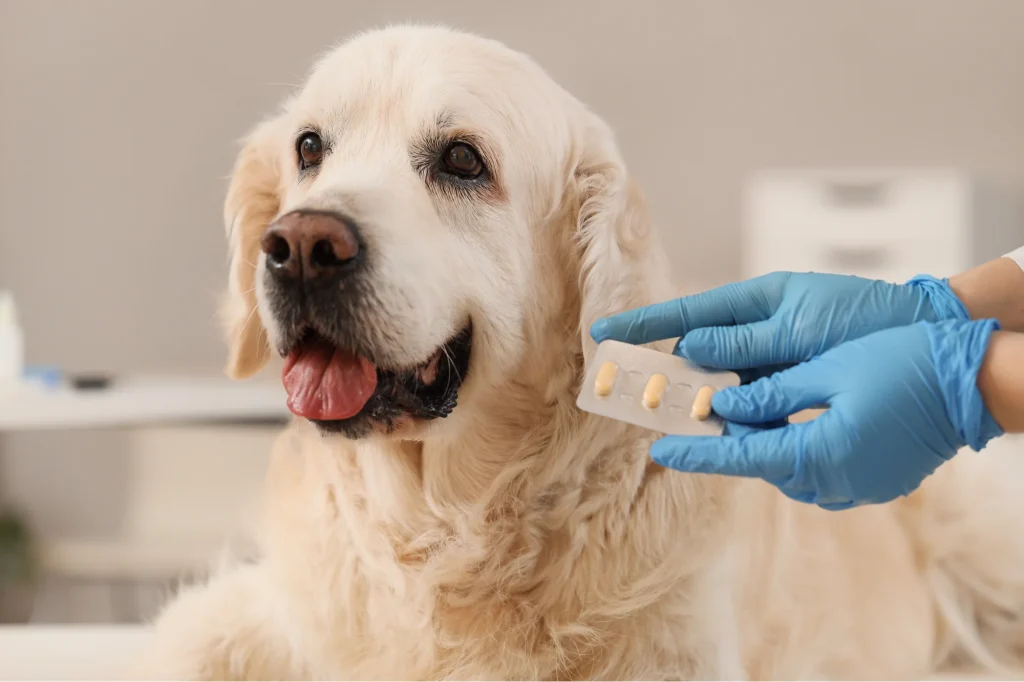
The best outcomes for dogs with anxiety come from combining:
✔ Veterinary-prescribed dog anxiety medication
✔ Structured behavior modification
✔ Professional support (such as CSAT trainers)
✔ A calm and supportive home environment
Medication can help reduce the intensity of anxiety, allowing your dog to better learn and respond to training.
Final Thoughts
The FDA’s approval of a new medication for dog separation anxiety treatment and noise aversion is a major step forward in improving canine mental health.
However, it’s important to remember:
- There is no single quick fix for anxiety
- Long-term success comes from combining medical support, training, and compassionate care
If your dog is struggling with anxiety, know that you’re not alone—and there are effective, humane solutions available to help both you and your pet.
About Burnell Pet Care and Education
At Burnell Pet Care and Education, we are dedicated to helping dogs and their families build safer, calmer, and more confident lives together through:
- Pet safety education
- Behavior-focused care
- Enrichment-based services
- Personalized guidance for real-world challenges
If your dog is experiencing anxiety, we’re here to help you find the right path forward.